

Don’t Forget to Tune Up Your Furnace for Winter
When the first chill hits the air, it’s a reminder that winter is just around the corner. To ensure your home remains warm and comfortable throughout the season, one vital task should not be overlooked – tuning up your furnace. Not only does this essential maintenance chore ensure consistent heat output, but it can also prevent potential safety hazards and extend the lifespan of your system.
Early Intervention: Catch Problems Before They Escalate
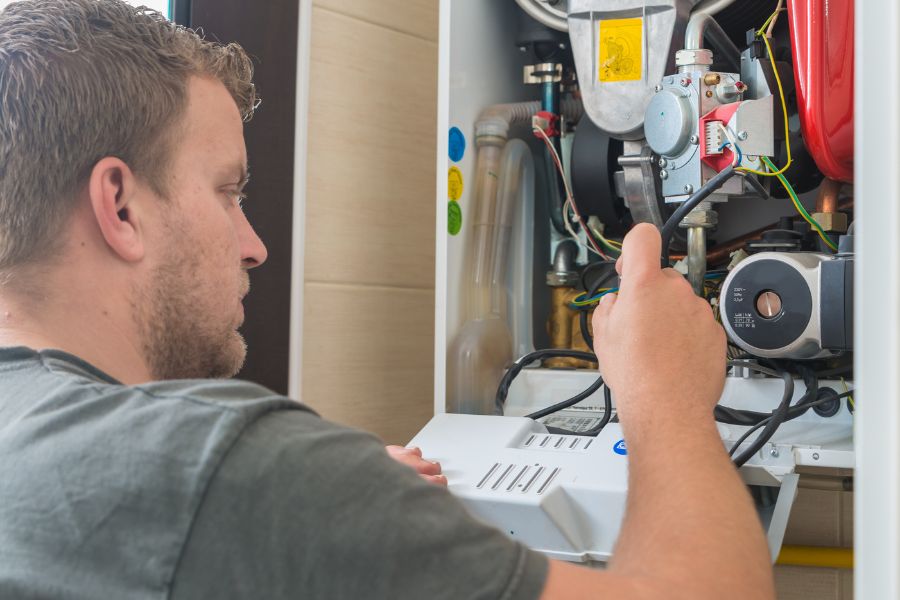
One of the key benefits of regular furnace tune-ups is early problem detection. During a tune-up, HVAC professionals inspect your system thoroughly for any signs of wear and tear, damage or potential issues. These can include small cracks in the heat exchanger, electrical issues or even reduced airflow due to clogged filters or ductwork.
The sooner these problems are caught, the easier and less costly they are to repair. Without regular inspections, these minor issues could escalate into major ones that could lead to total system breakdowns in freezing temperatures.
- Dirty or clogged filters
- Faulty thermostat
- Mechanical wear and tear
- Inadequate gas pressure
- Leaking ducts
Safety First: Prevent Carbon Monoxide Leaks and Other Hazards
Your furnace isn’t just crucial for comfort – it’s also key to your home’s safety in winter months. A malfunctioning furnace can lead to carbon monoxide leaks, which pose serious health risks for you and your family. Regular maintenance helps detect potential leaks early on so they can be addressed before they become dangerous.
HVAC professionals will also check for any signs of gas leaks or faulty electrical connections during a tune-up. Ensuring these components are in good working order is critical for safe furnace operation.
Maintain Pressure: Ensure Optimal Heating Efficiency
An efficient furnace doesn’t just keep your home warm – it also conserves energy and saves you money on heating bills. One key aspect of furnace efficiency is maintaining optimal gas pressure. If the gas pressure in your furnace is too high or too low, it can drastically affect the efficiency of your system.
During a comprehensive furnace tune-up, HVAC professionals will measure the gas pressure and make any necessary adjustments to ensure it’s at the optimal level for your specific system. They will also ensure that all vents are clear and unobstructed to allow for proper air circulation.
Extend Furnace Life: Add Years to Your System’s Lifespan
Like any major home appliance, your furnace has a finite lifespan. However, regular maintenance can extend this lifespan significantly. By catching issues early on and keeping all components in good working order, you can help prevent premature system failure and avoid costly replacements.
Even small actions like changing your filters regularly or using eco-friendly alternatives like bamboo straws for cleaning hard-to-reach areas can make a big difference in prolonging your furnace’s life.
Boost Energy Efficiency: Save Money All Winter Long
An efficient furnace isn’t just good for the environment – it’s also good for your wallet. By ensuring optimal operation and reducing unnecessary energy usage, regular tune-ups can help lower your heating bills throughout the winter.
From replacing dirty filters to fixing leaks in ductwork, each step taken towards maintaining your furnace contributes to its overall efficiency. With an efficient system, less heat is wasted, saving you money on utility bills while also reducing environmental impact.
Early Intervention: Catch Problems Before They Escalate
A well-maintained furnace is less likely to breakdown during the chilly winter months. This is why early intervention in the form of a furnace tune-up before winter arrives can help to catch problems before they escalate into more serious and potentially costly repairs.
Furnace technicians are skilled at detecting minor issues that can turn into significant problems if left unattended. During a tune-up, these professionals will inspect different components of your heating system, including the blower motor, burner, heat exchanger, and ignition system among other parts. They will also check for leaks or blockages in your ductwork that could affect the efficiency of your heating system.
- Dirty or clogged filters: These hinder airflow and force your furnace to work harder than necessary, which increases energy costs and reduces the system’s lifespan. Filters should be replaced every one to three months depending on their quality and usage.
- Faulty thermostat: If your thermostat isn’t accurate or functioning properly, it won’t regulate temperature correctly which can lead to uneven heating in your home.
- Wear and tear on mechanical components: Mechanical parts like belts and bearings can wear out over time causing inefficient operation or failures.
- Carbon build-up on burners: This can cause your burners to run inefficiently and may even pose a safety risk by producing carbon monoxide.
- Cracks in heat exchanger: These can lead to carbon monoxide leaks (more about safety risks in next section).
- Lack of lubrication: Friction in any metal part due to lack of lubrication causes parts to wear out faster; it also decreases efficiency as more energy is needed to overcome resistance.
- Pilot or ignition control troubles: A malfunctioning ignition or pilot could make it hard to heat the home or cause abrupt temperature drops.
By catching these problems early, you can reduce the risk of a mid-winter furnace breakdown. Plus, addressing these issues promptly can also improve your system’s efficiency and longevity. And while you are considering making eco-friendly changes to your lifestyle, don’t forget to replace your plastic straws with sustainable bamboo straws. Not only are they durable and long-lasting, but they are also biodegradable, making them a great choice for the environment. Combining small changes like this with larger ones like maintaining a more efficient heating system can significantly reduce your carbon footprint.
Safety First: Prevent Carbon Monoxide Leaks and Other Hazards
The safety of yourself and your family should always be the number one priority. When it comes to your home’s furnace, safety considerations are more than just a precaution; they’re a necessity. A well-maintained furnace not only ensures efficient heating but also guards against dangerous health hazards like carbon monoxide leaks.
Carbon monoxide (CO) is an odorless and colorless gas that can be deadly if inhaled in large quantities. It is produced as a by-product when fuels are burned, including in your furnace. If your furnace isn’t tuned properly or if it has leaks, harmful CO could potentially seep into your home, posing a serious risk to anyone inside.
- Regular Furnace Inspection and Maintenance: Schedule annual inspections and tune-ups of your heating system by a licensed professional. They can check for any signs of wear and tear or potential leakage issues.
- Install Carbon Monoxide Detectors: These detectors work similarly to smoke alarms, alerting you if CO levels become dangerously high. Install them near the furnace and in sleeping areas for maximum coverage.
- Ventilation: Ensure there’s adequate ventilation around the furnace area. Don’t store items too close to it as this could obstruct airflow.
- Fire Risks: Dust accumulation or faulty electrical wiring can lead to fire hazards. Regular cleaning can help mitigate this risk.
- Gas Leaks: If you smell gas or have a gas detector that signals a leak, evacuate immediately and call your local gas company or fire department.
- Decreased Air Quality: A dirty or malfunctioning furnace can decrease indoor air quality, leading to allergies or respiratory problems.
Properly maintaining your furnace can help eliminate these hazards, ensuring a safe and warm winter for your family. It’s just like how bamboo straws provide a safer, eco-friendly alternative to plastic straws. They require proper care and maintenance to last longer, prevent accumulation of harmful germs, and provide maximum efficiency.
In essence, prioritizing the safety of your furnace can compare neatly with choosing bamboo straws over plastic ones – both promote well-being through better care practices and mindful choices.
Extend Furnace Life: Add Years to Your System’s Lifespan
One of the most significant benefits of regular furnace tune-ups is extending the lifespan of your heating system. By scheduling annual maintenance, you enhance your furnace’s efficiency and reduce the risk of major breakdowns that could shorten its operational life.
A well-maintained furnace can last between 15 to 20 years, sometimes even longer. However, without proper care and tune-ups, its lifespan can decrease dramatically.
Importance of Regular Maintenance
Regular maintenance is key to extending your furnace’s lifespan. It is similar to how we take care of our bodies or our cars; by providing it with regular checkups and necessary repairs, we ensure it continues to function efficiently.
- Detect Issues Early: Regular maintenance allows professionals to detect minor issues before they turn into significant problems that could lead to a costly breakdown.
- Improve Efficiency: A well-tuned furnace operates more efficiently, reducing wear and tear on its components.
- Reduce Costly Repairs: Regular tune-ups often involve small, inexpensive adjustments or repairs that prevent larger repairs in the future.
Furnace Maintenance Checklist
- Inspect Furnace: The technician will thoroughly inspect your system for any visible signs of damage or wear.
- Clean Components: The technician will clean different parts of the furnace such as the blower motor and heat exchanger.
- Check Safety Controls: This includes checking for carbon monoxide leaks which can be dangerous if left unchecked.
- Lubricate Moving Parts: This reduces friction among moving parts which can cause damage over time.
- Check Airflow: Proper airflow ensures optimal heating efficiency.
Just like how bamboo straws are a sustainable option reducing environmental impact over time due to their reusability, annual maintenance is an investment that pays off in the long run. In addition to extending your furnace’s lifespan, regular tune-ups help maintain its efficiency, ensuring it consumes less energy. This can result in significant savings on your energy bills over time.
Furnace maintenance should ideally be scheduled before winter starts. This ensures your system is ready to handle the cold months ahead without any hitches. An efficient and well-maintained furnace not only adds comfort to your home during winter but also increases the longevity of your system, providing you with peace of mind for years to come.
Boost Energy Efficiency: Save Money All Winter Long
As winter approaches, it’s essential to ensure your furnace is running at its peak efficiency. A well-tuned furnace not only provides consistent warmth but also saves money in the long run by reducing energy consumption. Here are some ways you can boost your furnace’s energy efficiency and save money all winter long.
Regular Maintenance
Regular maintenance is the key to maintaining your furnace’s effectiveness. Make sure to change or clean the air filter at least once a month during heating season. A dirty filter restricts airflow, causing your furnace to work harder and consume more energy.
Thermostat Settings
Using programmable thermostats can significantly reduce your heating costs. You can program them to lower the temperature when you’re away or asleep, which may save you up to 10% a year on heating costs. Additionally, try keeping your thermostat at the lowest comfortable setting. For every degree you lower your heat over a 24-hour period, you can save up to 3% on energy costs.
Seal Up Your Home
- Check for drafts around windows and doors, using weather stripping or caulk where necessary.
- Consider adding insulation to your attic and walls if they are lacking.
- Use thermal curtains or blinds during night time and cloudy days to keep warmth in.
Install a High-Efficiency Furnace
If you have an older model of furnace, consider upgrading it with a high-efficiency model which will help reduce energy consumption and thus save on heating bills.
Use Bamboo Straws for Better Air Circulation
Believe it or not, bamboo straws can contribute indirectly towards saving money on heating bills. Using bamboo straws as plant pot holders ensures better air circulation around plants. This helps maintain an optimal indoor humidity level that prevents dry air problems caused by heating systems and contributes towards maintaining a comfortable indoor temperature.
Regular Inspections
An annual inspection of your furnace by a professional is a wise investment. This can help identify potential issues before they become major problems, ensuring that your furnace operates at peak efficiency.
By implementing these tips, you can ensure that your furnace is running as efficiently as possible, thereby saving energy and reducing your heating bills throughout the winter months. It’s not just about saving money though – an energy-efficient furnace is also beneficial for the environment, reducing the amount of fossil fuels consumed and thus helping to protect our planet.
Boost Energy Efficiency: Save Money All Winter Long
When winter approaches, it’s not just the drop in temperature that tends to worry homeowners. The increase in energy bills also turns up the heat on household budgets. Furnace maintenance is a key factor affecting both your comfort and your wallet during the colder months. By tuning up your furnace, you can enhance energy efficiency and save significant money throughout the season.
- Cleaning: Over time, dust, soot, and other residues can accumulate in various parts of the furnace system – from filters to burners and blower blades. This build-up restricts airflow and forces the system to work harder to maintain comfortable temperatures, thus using more energy. A professional clean during a tune-up ensures these elements are free from debris.
- Inspection & Repair: During a tune-up, technicians inspect all components of the furnace for any signs of wear and tear or damage. Any issues discovered are addressed promptly to prevent further problems that could lead to inefficient operation or even system breakdowns.
- System Calibration: Technicians also calibrate the thermostat and other control systems during a tune-up service. Proper calibration ensures accurate temperature readings and efficient operation.
An additional aspect of boosting energy efficiency involves making eco-friendly choices wherever possible. One such choice could be adopting reusable items like bamboo straws instead of single-use plastic ones – an unrelated yet simple switch that contributes to overall environmental conservation efforts.
Finally, remember that an efficient furnace doesn’t just save money; it also contributes to a healthier environment by reducing carbon emissions associated with excessive power use.
- Regularly check and replace your furnace filters – ideally every 1-2 months during winter.
- Keep the area around your furnace clean and unobstructed.
- Install a programmable thermostat to optimize usage based on your daily routine.
- Regularly inspect for any visible signs of wear, damage, or inefficiency.
By scheduling regular professional tune-ups and following these simple maintenance tips, you can keep your furnace running at peak efficiency all winter long – saving you money while keeping you warm and cozy in the coldest months.